Cristina Mittermeier MasterClass Review: Is It Worth It for Wildlife Photographers?
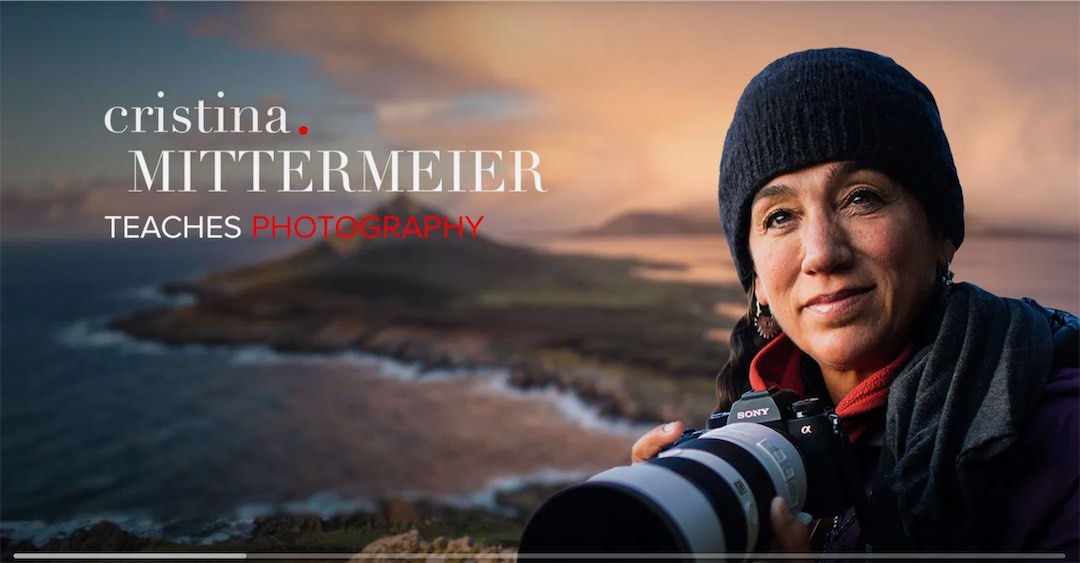
The Cristina Mittermeier MasterClass includes 45 episodes and more than 8 hours of teaching focused on conservation photography, storytelling, composition, and creating images with purpose.
Do you ever feel like your wildlife photography is starting to look a little too familiar?
I know I’ve been there.
At a certain point in your photography journey, it stops being about learning camera settings and starts becoming about learning how to see, how to tell stronger stories, and how to create work that actually says something.
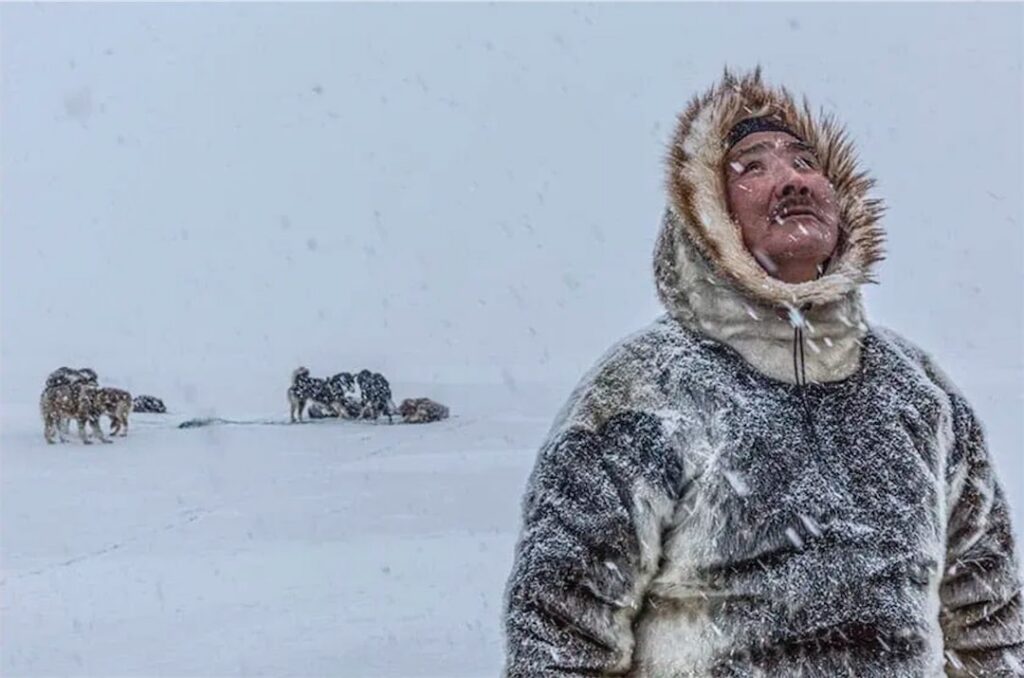
If you already know Cristina’s work, then you know she doesn’t just create beautiful photographs. She creates images with meaning. Images that connect people to wildlife, the ocean, indigenous communities, and conservation in a way that feels honest and powerful.
In this review, I’ll cover who this class is for, who it is not for, what you’ll learn, what stood out to me most, and whether I think it’s worth the price.
I’m at that stage where I’m always looking for ways to create images that feel less like “me too” photographs and more like something personal. Something intentional. Something that has a point of view.
Cristina Mittermeier has built an entire career doing exactly that.
This course is for those of you who:
Feel like your wildlife photography needs more originality
Want to become a better visual storyteller
Care deeply about conservation and the natural world
Are looking for inspiration and perspective, not just camera settings
Want to create images that have emotional weight and purpose
If that sounds like you, this course will likely hit home.
If you’re looking for a wildlife photography course that goes beyond the technical side of things and gets into the why behind your images, I think this one is well worth a look.
Who Is This MasterClass NOT For?
Let’s be clear about something upfront.
If you’re looking for a class that teaches the exposure triangle, dives deep into ISO, shutter speed and aperture, or walks you through camera menus and settings in detail, this is not the MasterClass for you.
There are plenty of free resources online for those fundamentals, and I’ve written a few myself that will help you there:
Cristina’s course is really about something deeper:
Storytelling
Purpose
Composition
Working with communities
Conservation photography
So if you want nuts-and-bolts camera instruction, look elsewhere. If you want perspective, inspiration, and a stronger visual voice, keep reading.
It is worth noting that Cristina’s course branches out well beyond wildlife photography. This is not a wildlife only specific course, Cristina delves into many other genres of photography like people and places and even touches on how to setup a photography business. And if you’re into underwater photography those lessons are excellent.
When deciding if this course is for you, take a look at the full course agenda presented below and you’ll get a sense of what I’m talking about.
If you’re looking for a purely wildlife specific course, especially as a beginner, that covers camera settings, field craft, image editing and so on you would be better served by exploring Simon d’Entremont’s Wildlife Photography Essentials.
I did a complete review of that course so follow the link to read up and compare the course courses so you can decide which course best suits your needs.
Who Is Cristina Mittermeier?
If you’re going to learn from someone, you want them to be the real deal, right? You don’t need to worry about that here.
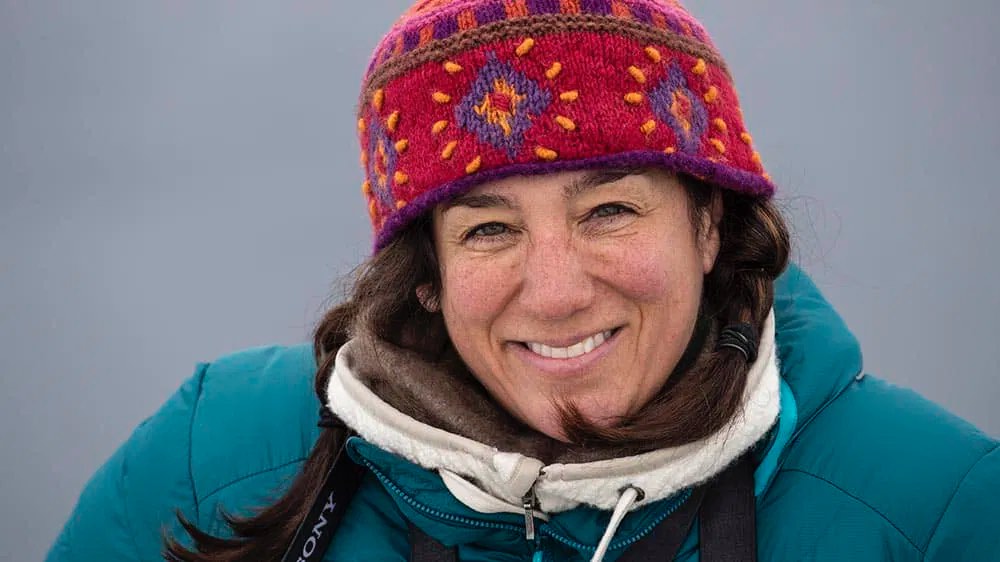
Cristina Mittermeier is widely recognized as one of the most influential conservation photographers of our time. Masters of Photography describes her work as centered on the relationship between human cultures, indigenous people, biodiversity, the ocean, and climate change. The course page also notes that she founded the International League of Conservation Photographers and co-founded SeaLegacy. :contentReference[oaicite:1]{index=1}
What I like about Cristina is that her work doesn’t feel performative. It feels lived. She has a way of creating photographs that are beautiful, yes, but also grounded in empathy and meaning. That’s a rare combination.
What Is the Cristina Mittermeier MasterClass?
The Cristina Mittermeier MasterClass is hosted on Masters of Photography and is currently presented as a 45-episode course with over 8 hours of teaching. The platform says it is suitable for all levels, can be taken at your own pace, includes unlimited access, works on any device, and comes with a money-back guarantee. The current checkout page lists it at $199 as a one-time purchase. :contentReference[oaicite:2]{index=2}
Like the David Yarrow course, the lessons are broken into bite-sized chapters, which makes it easy to go through them all at once or work through them gradually over time.
Once you buy the course, you can revisit the lessons whenever you want. That’s a big plus for this kind of material because courses like this tend to land differently depending on where you are in your photography journey.
What You’ll Learn in the Cristina Mittermeier MasterClass
Where this course separates itself from a lot of photography education is in the subject matter. It is much less about camera mechanics and much more about building a meaningful body of work.
Masters of Photography highlights topics including photography with purpose, creating self-assignments, building a conservation story, composition, environmental portraiture, conservation groups, and storytelling through collaborations with local communities. The public course outline also lists early lessons such as “Creating a Self-Assignment,” “Building a Conservation Story: The Fishermen,” “Composition Part 1,” and “How to Be a Conservation Photographer.”
1. Photography With Purpose
This was probably the biggest draw for me.
Cristina teaches photography as more than image-making. She teaches it as a way of communicating something important. That may sound obvious, but not many courses actually approach photography from this angle.
That shift in mindset alone can help you rethink your work in a very productive way.
2. Storytelling & Visual Narratives
Another strength of the class is the focus on story. Rather than chasing isolated hero shots, Cristina spends time helping you think in terms of projects, narratives, and emotional continuity.
If you’ve been wanting to move beyond single images and create a more cohesive body of work, this part of the course is especially useful.
3. Composition
The course also covers composition in a way that feels practical and thoughtful rather than rigid. The course page specifically mentions using grids, tension, placement, angles, gestures, simplifying the frame, and leading the eye to what matters. :contentReference[oaicite:4]{index=4}
I liked that. I’m all for learning the rules, but I’m even more interested in how experienced photographers use those rules with intention rather than just following them blindly.
If composition is an area you want to improve, you may also want to read my post on the rule of thirds in photography after this one.
4. Environmental Portraiture & Working With People
This is another area where the course offers something you don’t often see in wildlife-oriented classes.
The course page specifically calls out environmental portraiture and how to approach strangers to make portraits. That human side of the work adds a lot of depth here because Cristina’s photography often lives at the intersection of nature, people, and place.
Even if you primarily photograph wildlife, there’s a lot to learn from that approach. It teaches you to think more broadly about context and story.
5. Conservation Photography
This is the heart of the course.
Masters of Photography says the class is built around helping photographers understand how to create images that support the urgency of protecting wild places. That purpose-driven angle is what makes this class feel unique.
There are lots of photography courses out there. Very few are this clear about what photography can do.
My Favorite Lessons and Themes From the Course
I’m not going to spoil every lesson in the class, but I did want to highlight the ones that stood out most to me. These are the lessons that I found especially interesting as a wildlife photographer and the ones that felt the most useful from both a creative and practical perspective. The course outline includes lessons such as “Creating a Self-Assignment,” “Setting Up Your Photography Business,” “Preparing to Photograph Wildlife,” and “Developing Your Photographic Style,” which are the four I’d personally single out here.
Lesson #3 – Creating a Self-Assignment
This was one of the first lessons that really grabbed me because it gets into something that a lot of photographers overlook. Instead of waiting for the perfect trip or the perfect opportunity, Cristina shows the value of creating your own assignment and giving yourself a reason to shoot with intention.
I liked this lesson because it pushes you to think beyond random good images and more towards building something with purpose. That mindset is incredibly valuable if you feel like your work needs more direction. It’s a good reminder that some of the best growth in photography happens when you stop waiting and start creating your own opportunities.
Lesson #24 – Setting Up Your Photography Business
I really liked seeing this included because photography is not just about making strong images. At some point, if you want to go further with your work, you also have to think about the business side of things.
What stood out to me here is that Cristina brings real-world experience to the topic. For photographers who want to move beyond shooting purely for themselves, this lesson adds a practical dimension to the course. I think that’s important because it makes the class feel more rounded. It’s not just inspiration for the sake of inspiration. There’s also useful guidance on building something sustainable around your photography.
Lesson #34 – Preparing to Photograph Wildlife
As a wildlife photographer, this was naturally one of the lessons I was most interested in. Preparation is one of those things that often makes the difference between coming home with an image that works and coming home empty-handed.
I liked this lesson because it reinforces the idea that wildlife photography starts long before you press the shutter. There’s always thought that goes into where to be, how to approach the subject, what conditions to expect, and how to give yourself the best chance of creating something meaningful. That kind of preparation is not always the glamorous side of photography, but it’s often the part that matters most.
Lesson #40 – Developing Your Photographic Style
This was probably one of my favorite lessons in the entire course because so many photographers, myself included, think about this constantly. How do you create work that doesn’t just look competent, but actually looks like yours?
What I liked here is that Cristina seems to approach style as something deeper than editing tricks or surface-level aesthetics. It’s about perspective, intention, and the choices you make over time. That really resonated with me because developing a photographic style is something that takes years, and hearing how an accomplished photographer thinks about that process is incredibly helpful. For anyone who feels like they’re still trying to find their own voice, this lesson alone would be worth paying attention to.
Cristina Mittermeier Course Curriculum
1. Introduction
2. How My Photography Started
3. Creating a Self-Assignment
4. Building a Conservation Story: The Fishermen
5. Composition Part 1 (of 4)
6. How to Be a Conservation Photographer
7. Advice to My Younger Self
8. Day of the Dead: Creating La Llorona
9. Building your Skillset
10. Making a Portrait in Oaxaca
11. My Essential Books Part 1
12. My Essential Books Part 2
13. The 6 Wedges Construct
14. Day of the Dead Sessions in Oaxaca
15. The Most Asked Questions
16. The Director’s Q&A with Cristina
17. Sacred Ecology Part 1
18. Sacred Ecology Part 2
19. Creating Portraits in an Ocotlan Market
20. Composition Part 2 (of 4): Focal Length and Bokeh
21. Composition Part 3 (of 4): Cropping an Image
22. Composition Part 4 (of 4): Juxtaposition
23. Black & White or Colour?
24. Setting Up Your Photography Business
25.Tips and Advice to Help “The Photography Hustle”
26. The Path to Becoming a Photographer
27 The Importance of Research
28. My Influences and Finding your Own North Star
29. Engaging with People and Animals
30. Portrait Session: Carmen & the Iguana
31. How to Improve your Visual Storytelling
32. Photographing the Guelaguetza
33. What is in the Camera Bag?
34. Preparing to Photograph Wildlife
35. Key Tips for Photographing Underwater
36. My Underwater Photography Techniques
37. The Magic of Underwater Photography
38. The Story Behind My Favourite Underwater Photographs
39. Using Light to Help Your Visual Storytelling
40. Developing Your Photographic Style
41. The Day of the Dead: the Parade
42. Developing a Philosophy for Your work
43.The Day of the Dead: the Oaxaca Cemetery
44. Don’t Leave Home Without
45. Farewell
How Much Does the Cristina Mittermeier MasterClass Cost?
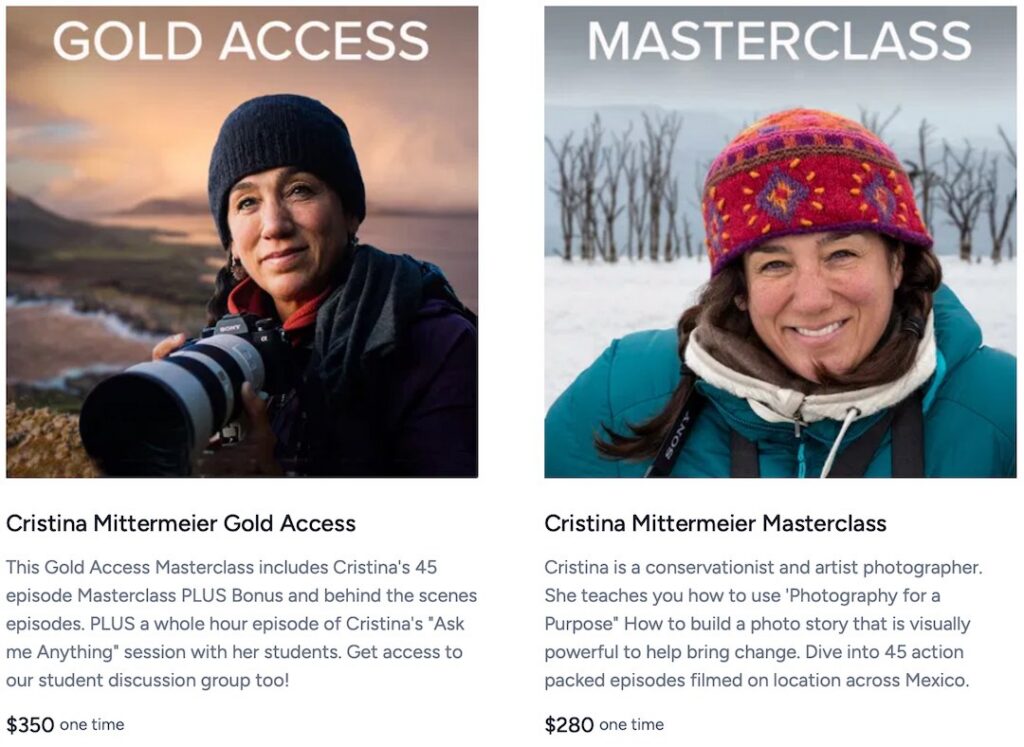
At the time of writing, the checkout page lists the full Cristina Mittermeier MasterClass at $280 / one time. There is also a Gold level Masterclass at $350 / one time which includes Cristina’s 45 episode Masterclass PLUS Bonus and behind the scenes episodes. PLUS a whole hour episode of Cristina’s “Ask me Anything” session with her students and a student discussion group.
The course pages also promote unlimited access and a money-back guarantee.
As online photography courses go, that’s not cheap, but it’s also not unreasonable if the course speaks to where you’re trying to go creatively.
For me, the value here is not in learning which button to press on a camera. The value is in learning how an accomplished photographer thinks, plans, and builds visual stories that matter.
10 Reasons To Take the Cristina Mittermeier MasterClass
Learn From One of the Most Influential Conservation Photographers Working Today Cristina brings decades of experience and a very distinct point of view.
It Focuses on Storytelling, Not Just Technique This is one of the biggest strengths of the course.
You Don’t Need Fancy Gear The course is aimed at all levels and is much more mindset-driven than gear-driven.
Lifetime Access You can revisit the lessons whenever you need to.
Go at Your Own Pace The course is broken into short episodes, which makes it easy to work through over time.
It Covers Conservation Photography Specifically That alone makes it different from many other classes online.
Strong Composition Lessons The composition material should benefit photographers at almost any experience level.
You’ll Learn to Build Better Projects The self-assignment and story-building angles are especially valuable.
Watch on Any Device The platform says the course is accessible across devices.
Money-Back Guarantee That lowers the risk if you’re unsure. :contentReference[oaicite:8]{index=8}
My Final Thoughts
Cristina Mittermeier’s MasterClass is not really about taking better photos in the narrow technical sense.
It’s about taking photographs that are more thoughtful, more intentional, and more meaningful.
If you’re at the point where you want your work to stand out because it says something rather than just because it looks polished, I think this class has a lot to offer.
It won’t be the right course for everyone. If you want a deep technical workshop on camera settings, this isn’t it. But if you want to become a more complete storyteller and a more intentional wildlife photographer, I can absolutely see the value here.
That’s really what drew me to it. Cristina has built a body of work that feels authentic, purposeful, and connected to something larger than photography itself. There’s a lot to learn from that.
Cristina Mittermeier is one of those photographers whose work makes you slow down and think a little harder about what photography is for.
Her MasterClass appears to offer that same perspective. It gives you access to her ideas on storytelling, conservation, composition, collaboration, and image-making with purpose.
If you’re serious about wildlife photography and want to create work with more depth, this is a course I think you should strongly consider.
If you want inspiration, storytelling guidance, and a deeper understanding of conservation photography, I think it offers strong value. If you only want camera-setting tutorials and wildlife only specific instruction, it’s probably not the best fit.
How many lessons are in the Cristina Mittermeier MasterClass?
The course pages currently list 45 episodes.
How long is the Cristina Mittermeier MasterClass?
Masters of Photography currently describes it as over 8 hours of teaching.
How much does the Cristina Mittermeier MasterClass cost?
At the time of writing, the checkout page lists the full course at $280 for the Masterclass or $350 for Gold Access as a one-time purchase.
Is the Cristina Mittermeier course good for beginners?
The platform says the class is suitable for all levels, so beginners can take it, though the real value is more in storytelling and perspective than basic camera instruction.
Related Posts
There’s more to discover — explore these related posts.
Journal of Wildlife Photography: Is It Worth It? Honest Review
Is It Worth It For You? If you’ve searched Google for “Journal of Wildlife Photography — Is it worth it?” you’ve probably seen various threads from sites like Reddit debating[…]
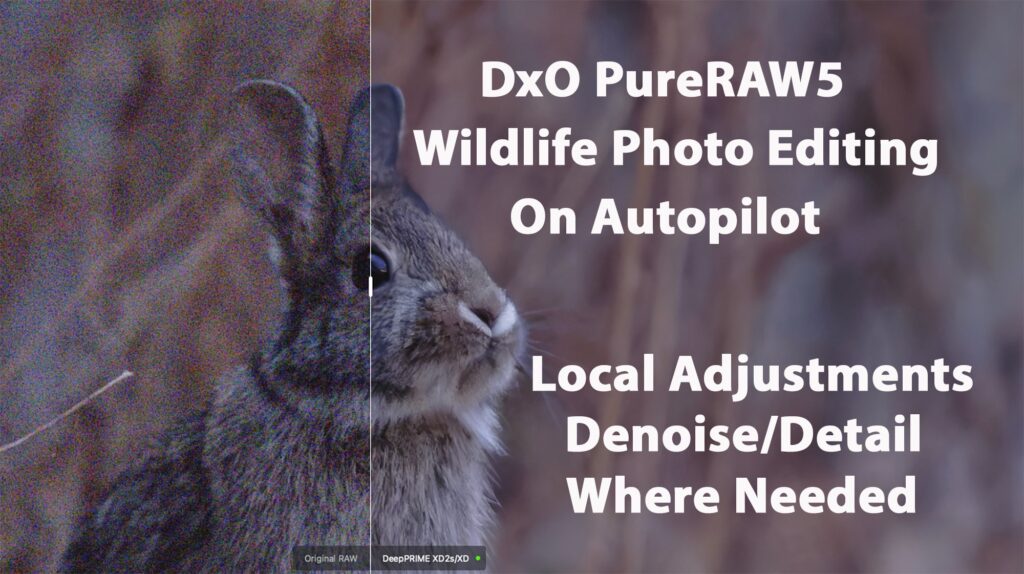
What is DxO PureRAW5? DxO PureRAW 5 offers a powerful set of tools for wildlife photographers to optimize their RAW files, particularly for managing noise and enhancing detail in images,[…]